The phone rings mid-appointment
You either focus on the patient or on the call. A missed call often books with another clinic.
An AI phone receptionist, website chatbot, online booking, patient CRM and automatic reminders in one place. Instead of scattered, expensive tools and a NAS humming in the cupboard.

Healthcare software is expensive, and each tool solves only one piece. The rest lands on the reception, the assistant or on you, by hand.
You either focus on the patient or on the call. A missed call often books with another clinic.
Calendar, billing, email, spreadsheets, a separate booking page. None of them talk to each other, so every detail gets typed twice.
A monthly fee for every module, plus a local server that needs backups, updates and an IT person.
Callbacks, reminders, cancellations, rescheduling. The working day starts again after the last patient leaves.
Start with the package that fits today and move up when you need more. Every module uses the same patient database.
Answers the phone, books, reschedules and cancels appointments, and sends you a summary of every call.
Answers questions about prices, treatments and opening hours, and turns the conversation into a booking or a callback request.
Patients pick a free slot themselves, the calendar updates at once and the reminder goes out on its own.
Every patient, call, message and booking on one record, searchable, with permissions.
Reminders, confirmations, recall, review requests and refilling cancelled slots.
Instead of a local server: encrypted, backed-up storage you can reach from anywhere, with no IT person needed.
Handled as health data: a written data processing agreement, encrypted transfer and storage, logged access.
Privacy noticeTell me in a few words how your clinic works today, and I tell you where to start.
This is not a video: the chatbot is real, the CRM board and the automation run in your browser with sample data.
Message the clinic chatbot as if you were a patient. A real chatbot for a made-up sample clinic: ask about opening hours or preparation, or book an appointment. The booking shows up on the CRM board straight away.
See how it answers the phone. A scripted transcript of two calls handled by the digital receptionist. Then request a trial call and hear it on your own phone.
Drag the cards, open a patient record. A board filled with sample data. A booking you make in the chatbot demo or in the chat lands here live.
Press start and watch what goes out by itself. From booking to review request: confirmation, a reminder 24 hours before, a no-show follow-up, recall.
General tools with a public interface, calendar sync or standard export. I describe the exact setup after the assessment.
A dental practice books differently from a physiotherapist or an aesthetic clinic. I set up the treatment list, durations, preparation notes and tone of voice for your clinic.

A short conversation about how your clinic books, communicates and handles admin today.
I add your treatments, prices, doctors, opening hours and rules.
You and your team try it, and I fine-tune it until everything works the way it should.
I set up call forwarding and switch on booking. After that, I keep maintaining it.
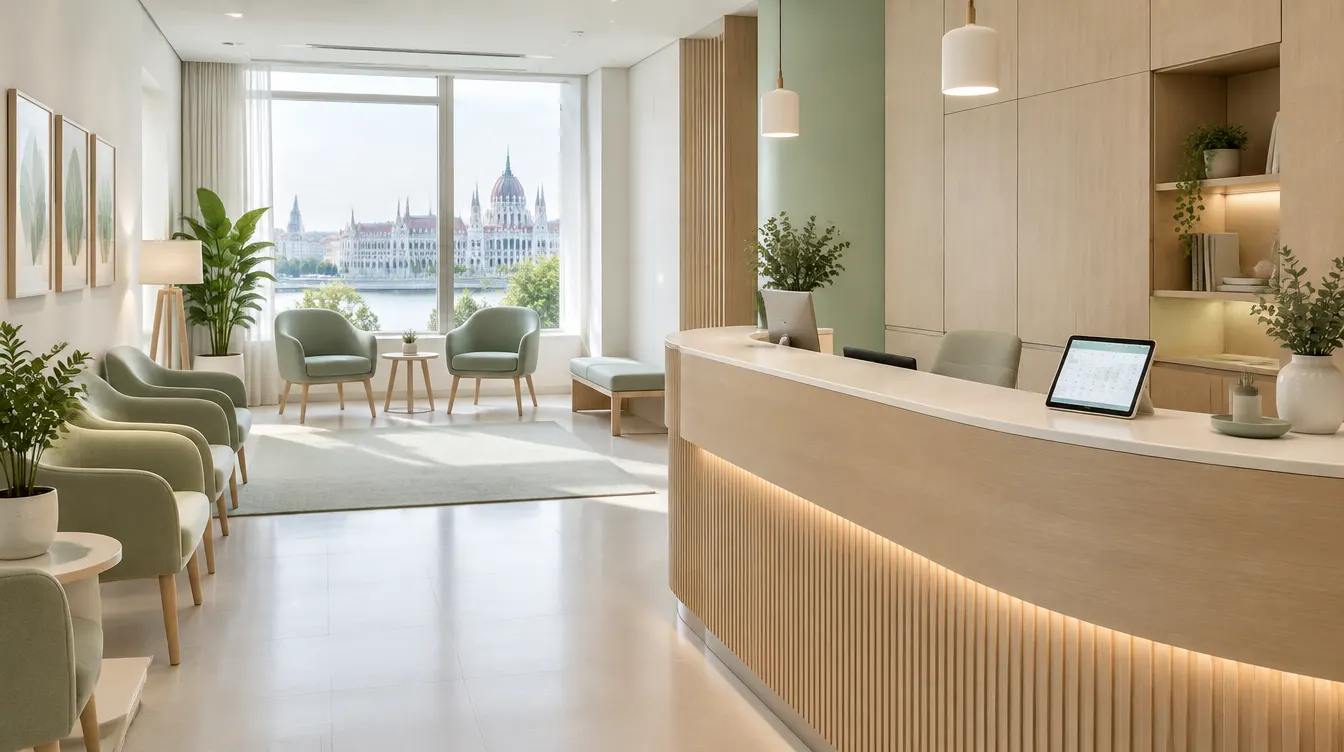
One system for private clinics that puts the phone reception, the website chat, online booking, patient records and automatic reminders in one place. The goal: no manual admin left in the clinic.
No. It speaks in a natural voice, and it says at the start of every call that it is a digital assistant. If the caller wants a person, or the question goes beyond booking, it takes a callback request and you get a notification straight away.
No. It does not diagnose, does not triage and gives no treatment advice. For a health question it points the caller to the clinic, and for urgent symptoms to 999. In that case it never offers an appointment.
Not necessarily. I look at what the clinic uses today. ClinicAI connects to general tools such as Google Calendar or Microsoft 365, and takes over what it replaces. It has no live connection to clinical record systems; anything like that is a custom project after an assessment.
The first step is a short assessment. Then I set the system up with your treatments, prices and calendar, followed by a trial week before going live. You get the exact schedule in writing after the assessment.
A one-time setup fee plus a monthly fee. Packages run from £279 to £949 a month, with a setup fee from £790 to £2,290. Pay annually and you pay half the setup fee plus 10 monthly fees, for 12 months. All prices are on the pricing page.
Yes, without signing up. On the Try it page the chatbot is real, the receptionist plays a sample call and you can request a trial call to your own phone, and the CRM board and the automation run with sample data.
I show you how it would answer your phone and book your own treatments, in a 30-minute video call.